Sharp Birds in Flight, Made Simple
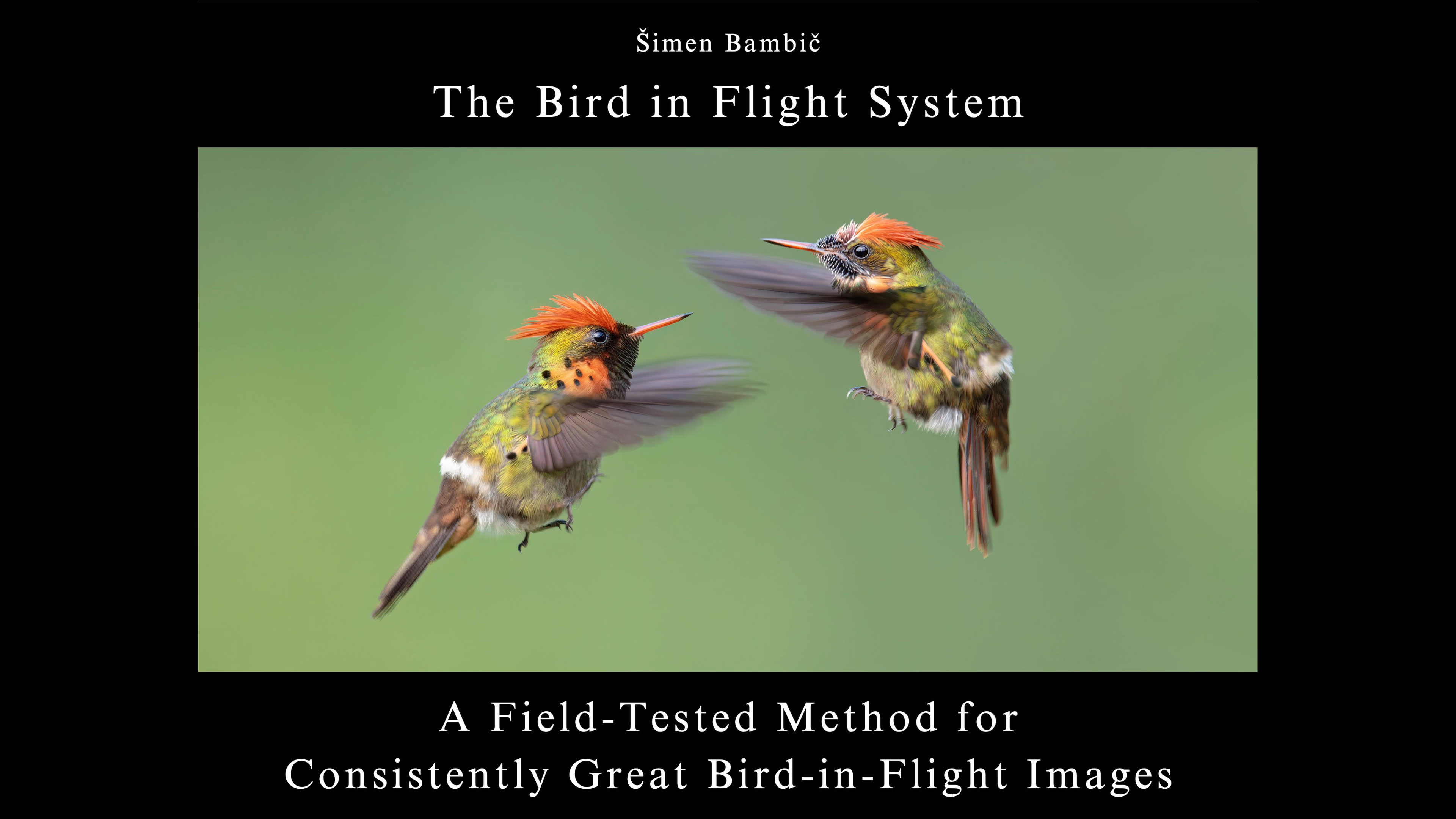
More keepers, fewer misses. The Bird in Flight System puts everything that works in one field-tested method. Stop piecing it together from a hundred different sources and start bringing home sharp, stunning flight shots you’ll be proud to share.
“The equipment section alone probably saved me thousands of dollars. I was very close to buying a new camera. Instead, the book showed me what actually matters and which upgrades are genuinely worthwhile.”
Richard B., NC, USA
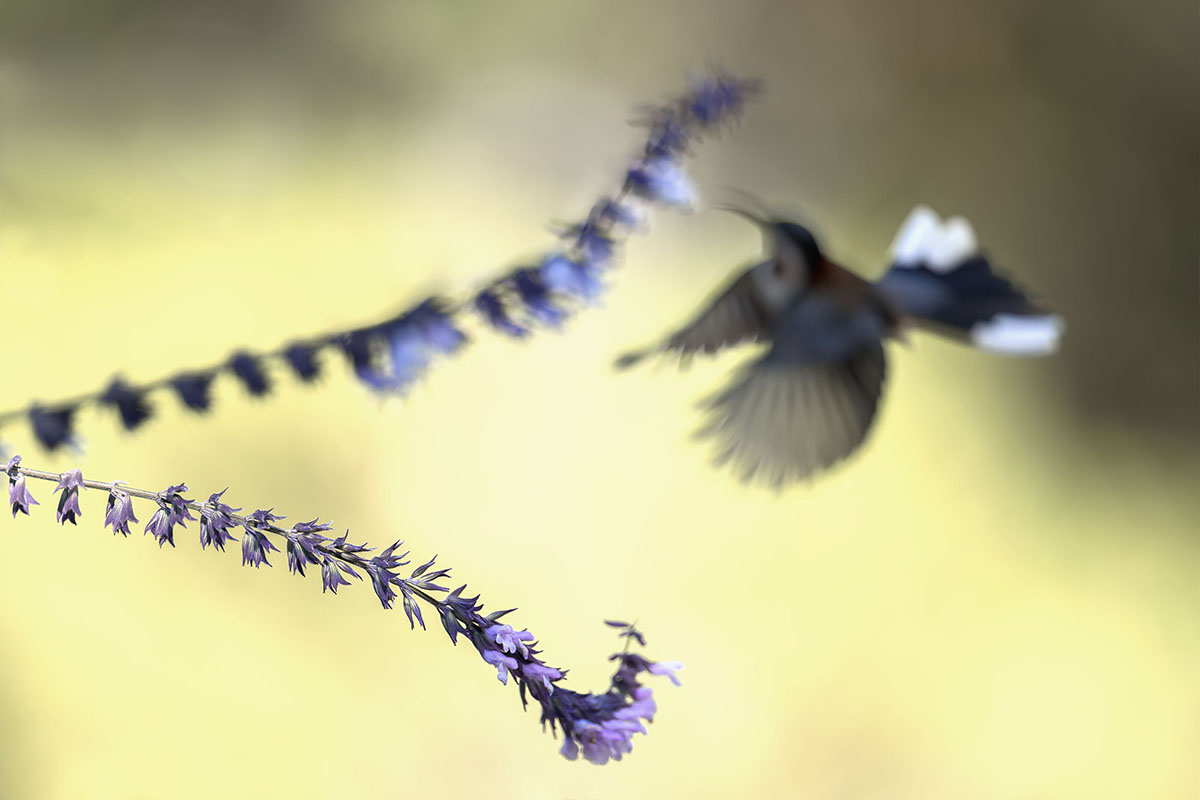
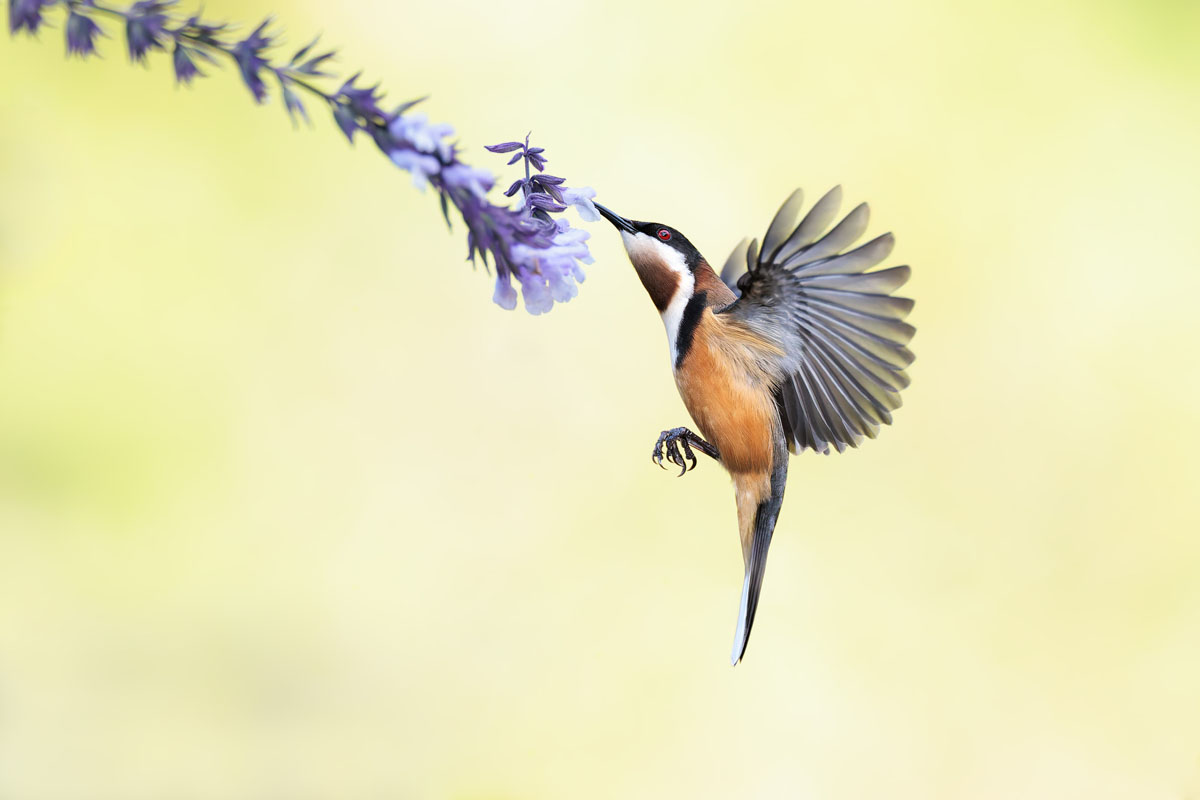
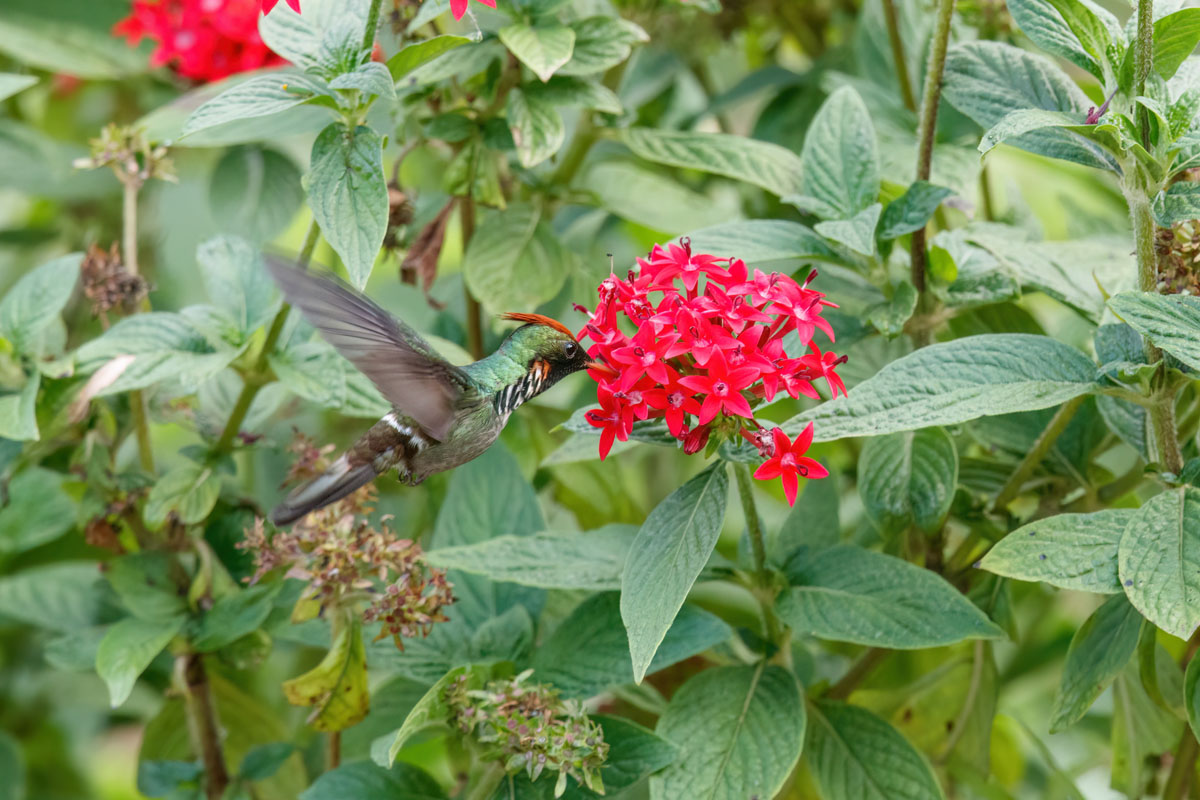
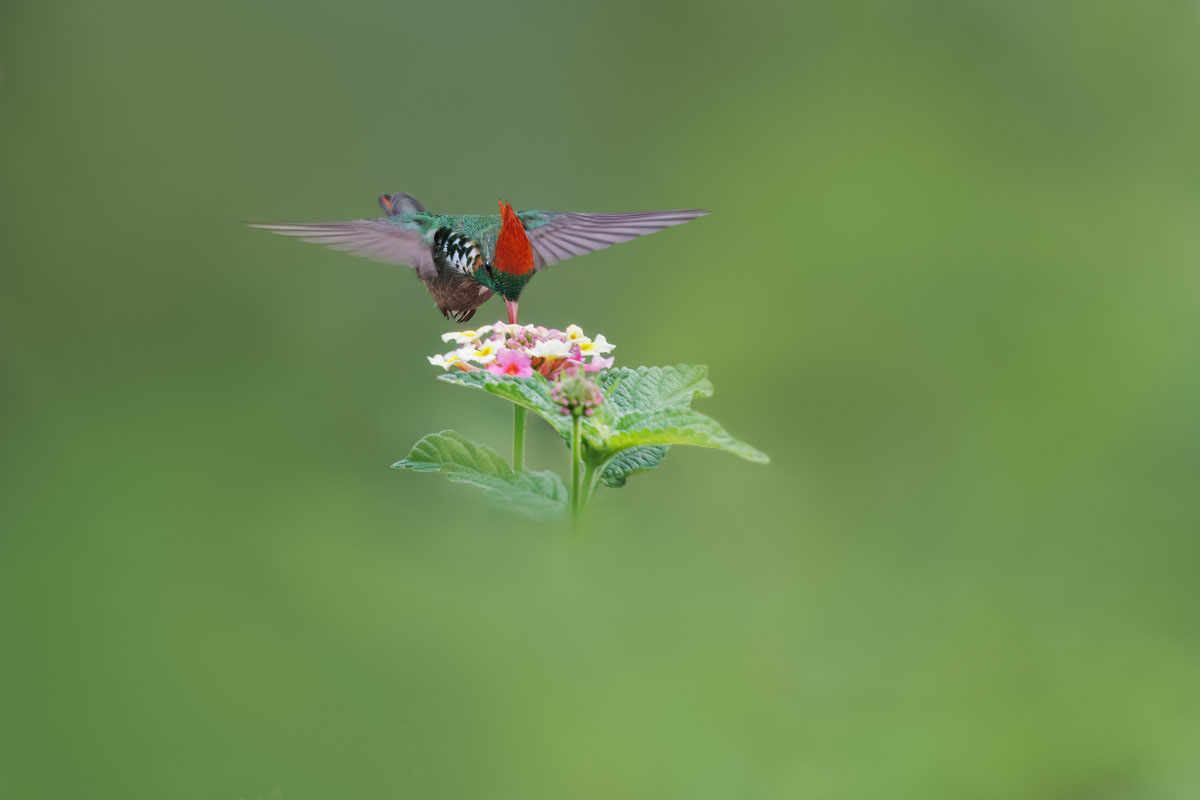
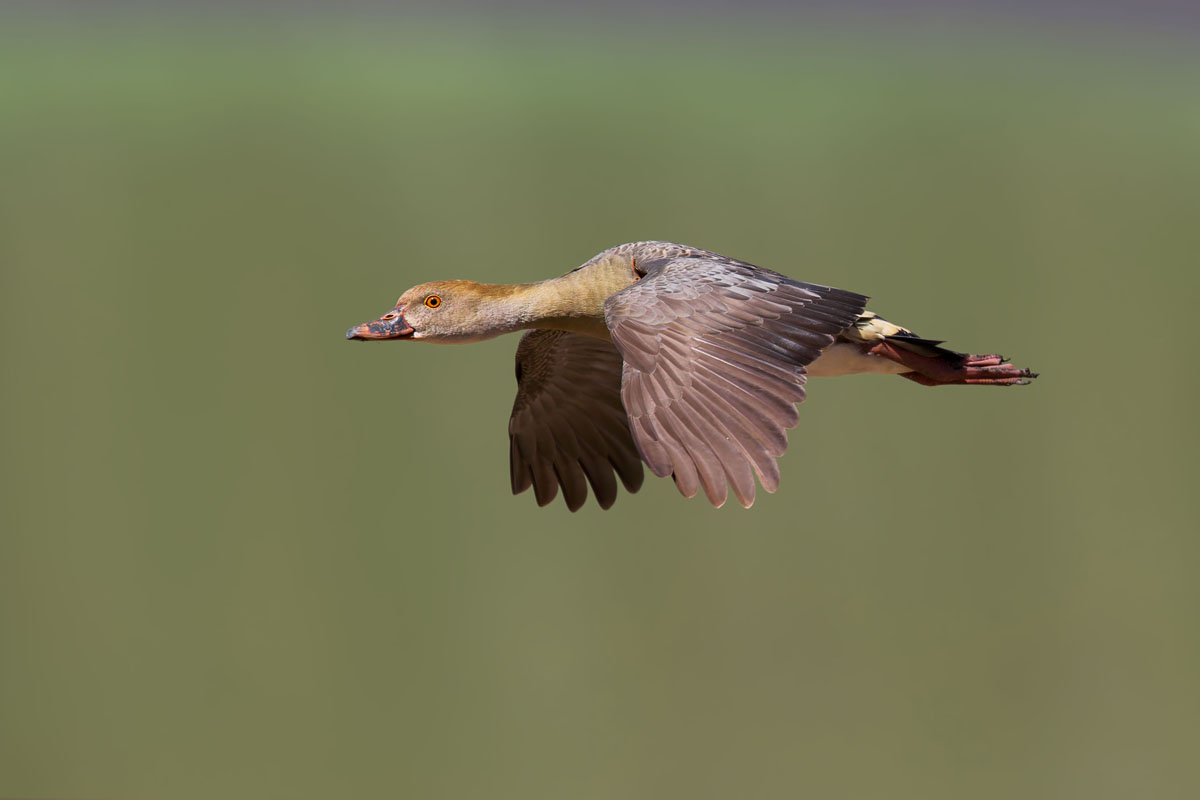
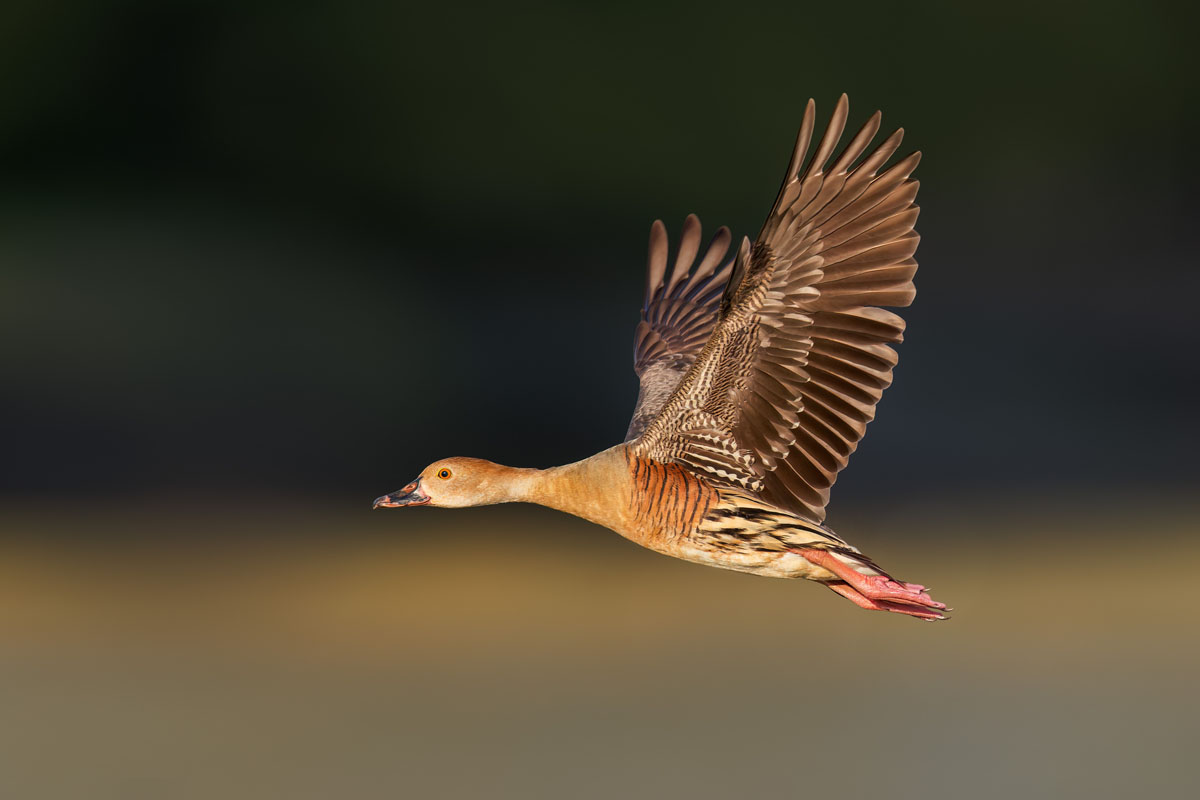
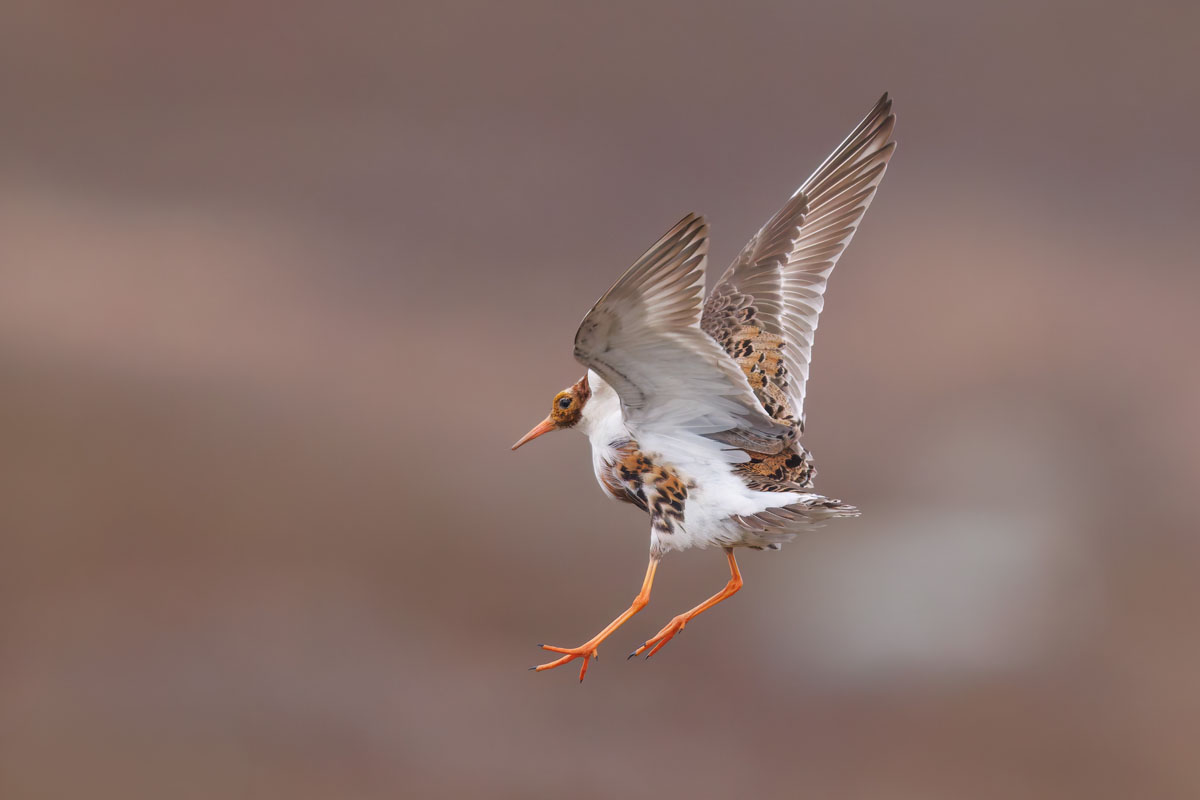
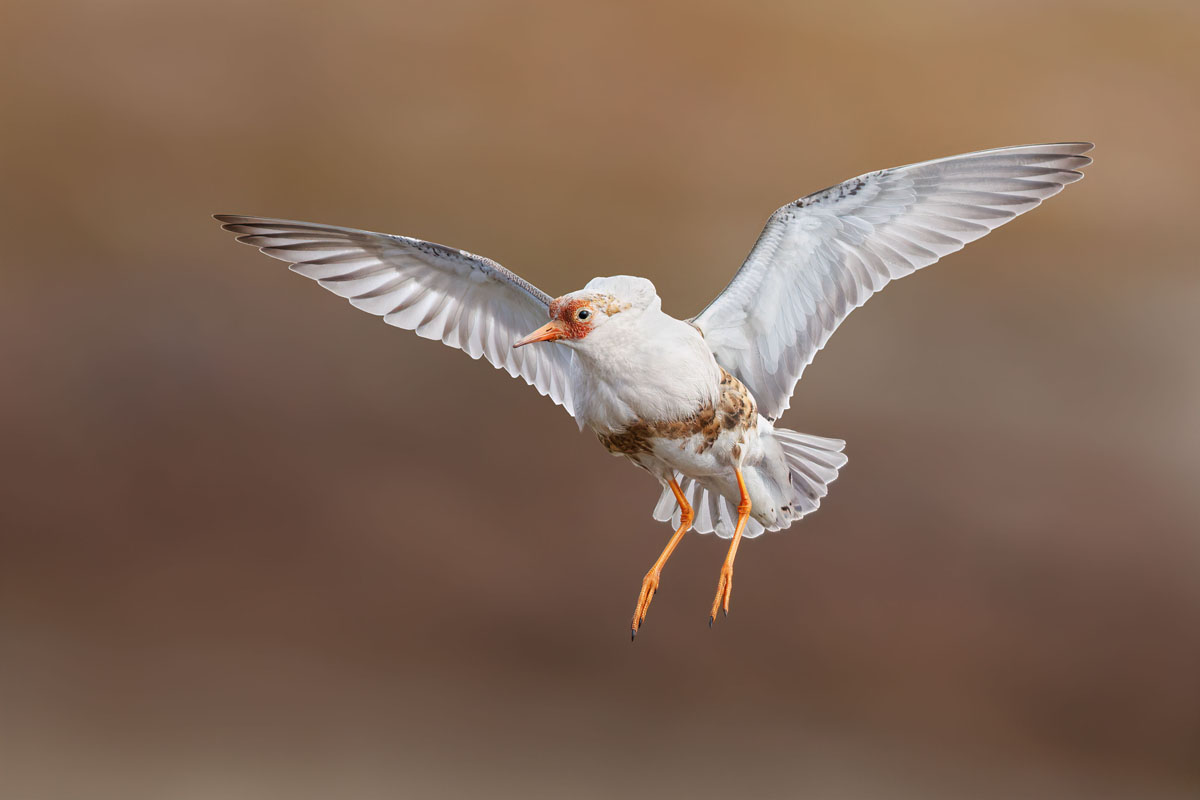
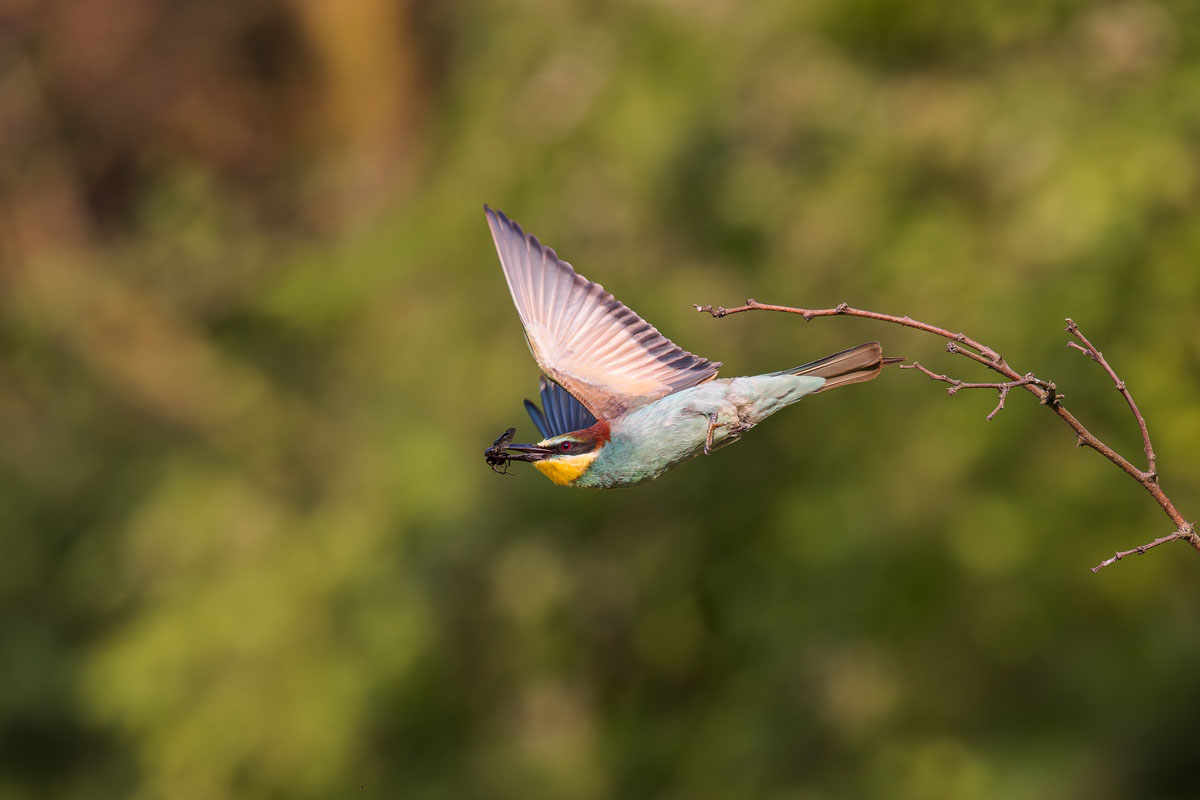
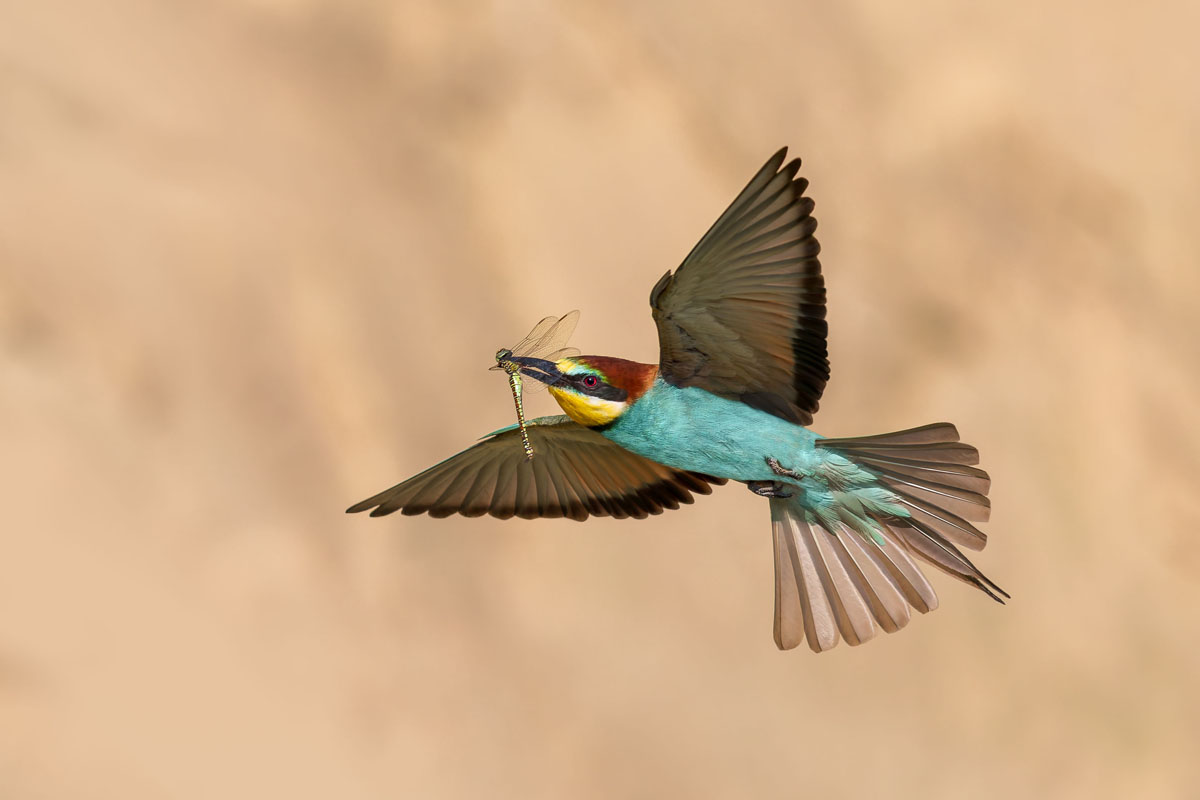
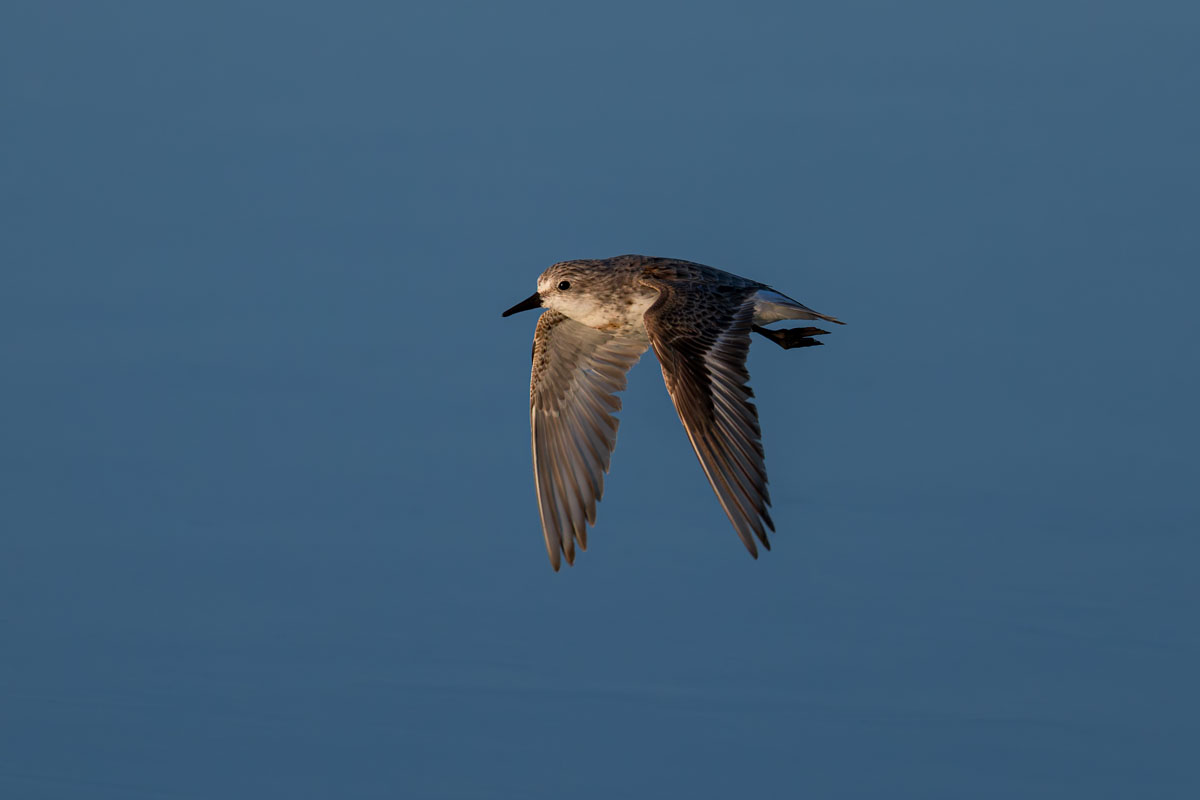
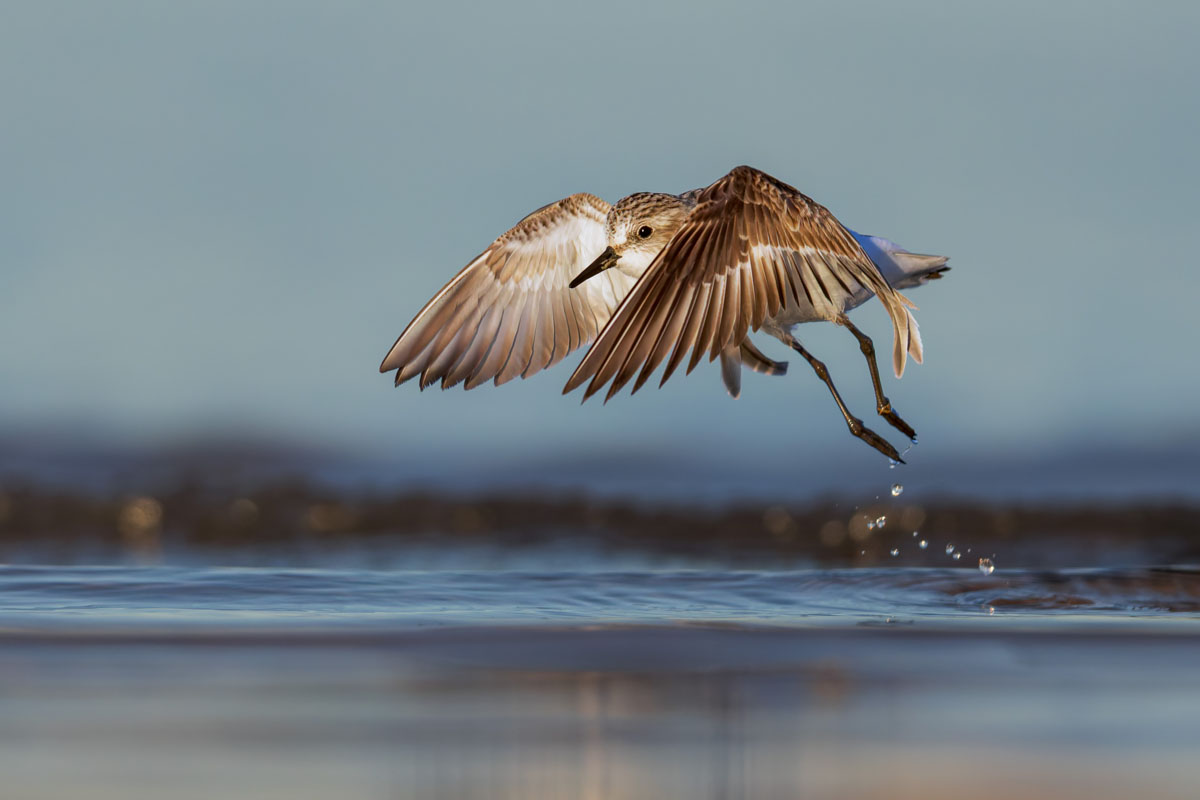
Same Photographer. Same Species.
Before and After the System.
Does This Sound Familiar?
- You fire off a long burst, and maybe one frame is sharp. Often none.
- Your camera locks onto reeds, branches or the background instead of the bird.
- The bird takes off before you manage to press the shutter, and all you get is its tail.
- A shot works one day. The next day, same camera, same settings. Nothing.
- You’ve collected tips from YouTube, Facebook, Instagram and other photographers, and half of them contradict the other half.
- You’re starting to think a new camera or lens is the only answer.
Most people push through this for years.
Plenty simply give up.
There Is No Single Magic Setting
Great flight shots come from getting dozens of decisions right together, across settings, autofocus, light, position, background and the bird’s behavior.
Learn them one at a time from scattered sources and it takes years. Learn them as one system and it doesn’t have to.
I Struggled With This Too
Before birds in flight, I photographed a bit of everything: travel, portraits, landscapes and wildlife. My images won awards, made magazine front covers and even a book cover.
 Book cover
 Magazine cover
 BBC Wildlife Magazine Photo of the Week
With years of photography behind me, I assumed birds in flight would come easily. They didn’t.
For years I changed settings, watched videos and read books. Some days I came home proud. Other days, with the same camera and lens, I missed almost everything. I started to think I needed better gear. I didn’t.
So I gathered everything that actually worked, combined it into one method, tested it in the field, and wrote it down. That method is The Bird in Flight System.
What You’ll Be Able to Do
- Lock your autofocus onto the bird you want, not the foreground, the background or another bird, with detailed guidance for Canon, Nikon and Sony
- Choose the right shutter speed and settings for each species and situation
- Read the signs that a bird is about to take off, and be ready before it does
- Find a bird quickly through your long lens, track it smoothly and keep it in the frame
- Use light, wind and your position to transform the picture
- Find clean backgrounds that make the bird stand out
- Use species-specific tips for birds anywhere in the world, small or large, fast or slow, from hummingbirds and finches to herons and raptors
- Get the most from Pre-Capture and subject detection
- Buy gear wisely, or discover you don’t need to
- Set up your camera from scratch, even if you’ve never used one before
Everything Inside the System
Built from more than a decade of photographing birds in flight and two and a half years of testing and writing.
Every concept shown in the field, not just explained
Most books tell you what to do. This one shows you. Each technique comes with real field photographs, the camera settings I used, and notes on what I did and why, often with a before and after of the same species, so you see the difference instantly.
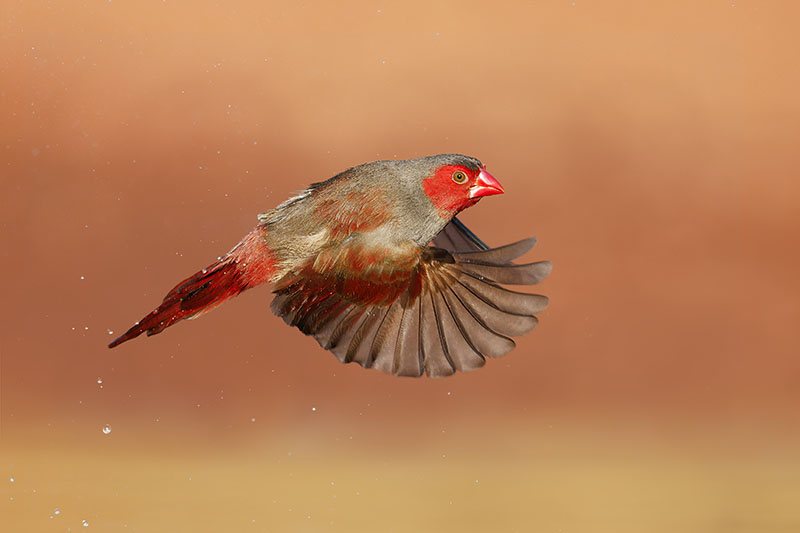
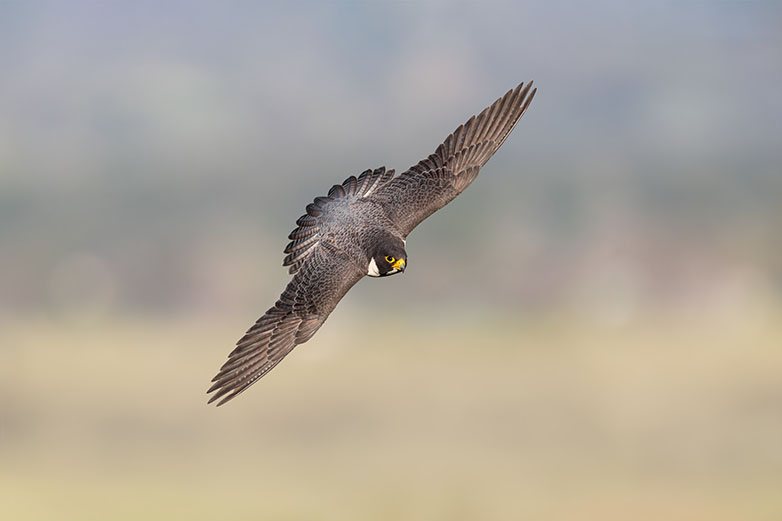
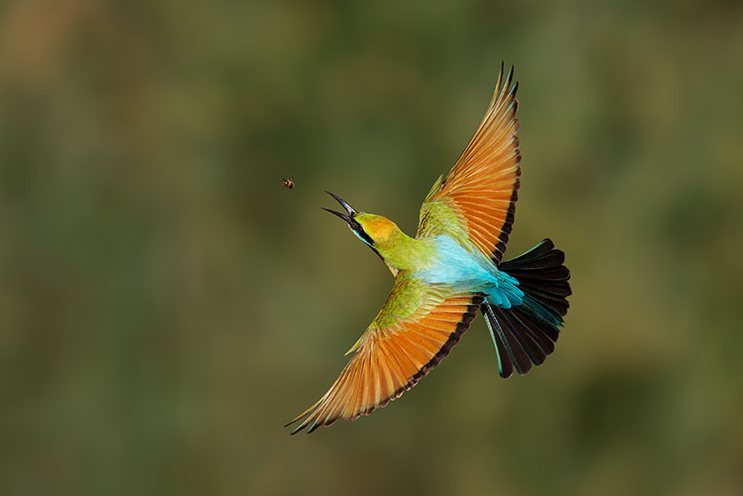
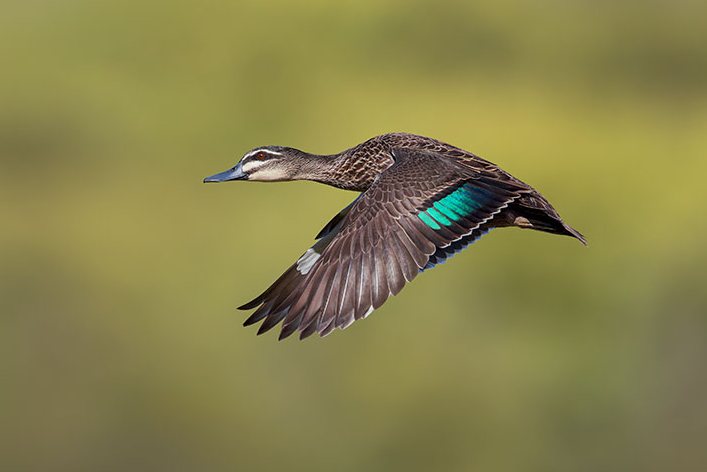
Not one photo reused. Every lesson gets its own example.
Never guess your shutter speed again
Stop losing shots to the wrong shutter speed. One page tells you what works best for any bird and any look, from pin-sharp to flowing wing motion to creative blur. Check it in the field in seconds.
Autofocus that grabs the bird, not the branch
Your camera locks onto reeds, branches and background while the bird flies past. Set up subject detection so your mirrorless camera finds the bird and tracks it anywhere in the frame, and know which AF area to choose in six common situations, from slow herons to erratic swallows and birds in reeds, with the setting for Canon, Nikon and Sony side by side. Still shooting a DSLR? Canon and Nikon DSLR modes are covered too.
Exposure that stays right as the bird flies
The sky, water and trees behind a flying bird keep changing, and your camera’s metering changes with them: one frame blown out, the next too dark. Learn when to switch to manual exposure, how to protect white feathers with the histogram, blinkies and zebras, and how to handle harsh, high-contrast light, from bright sky over dark water to backlit dark birds.
Finally know why your shots are soft
Blurry wings, soft eyes, mush where feathers should be. Pin down the real cause from eight possibilities, from shutter speed and heat haze to stabilization and diffraction, and fix the right thing instead of guessing.
Be ready before the bird moves
Stop coming home with nothing but a tail. Learn the signs that a bird is about to take off, and predict which way it will fly and where it will land, shown in real field sequences.
Know exactly how to approach any bird
A hummingbird at a flower, a swallow hawking insects over water and a raptor riding a thermal each need a different approach. Find your bird’s group, from ducks and geese to raptors, hummingbirds, fast, erratic fliers and slow, predictable ones, and follow its playbook: when and where to find them, the behavior that tells you they’re about to act, and how to set yourself up for the shot.
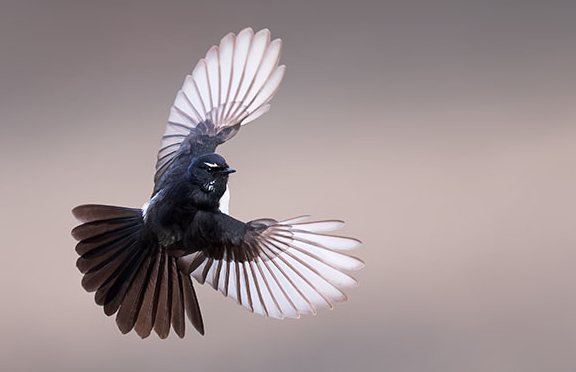
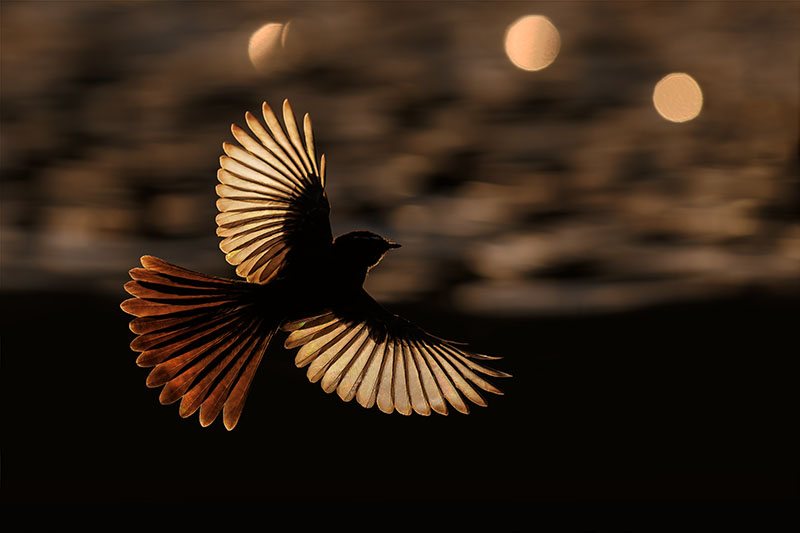
Same species, similar pose. Only the light changed.
Willie Wagtail, Australia
Light that turns ordinary into spectacular
The same bird in the wrong light is just a record shot. Learn what each kind of light does for a bird in flight: front, side and backlight, golden hour, silhouettes against the rising or setting sun, overcast and shade. Know when the light is worth shooting, when to stop, and how to keep working once harsh midday light sets in.
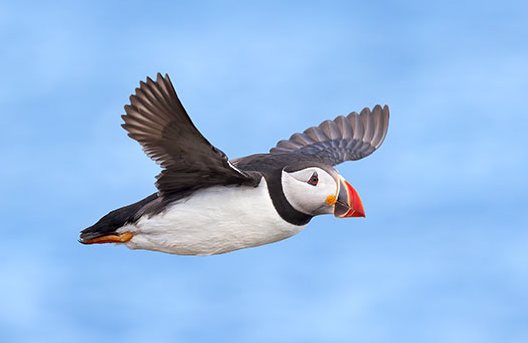
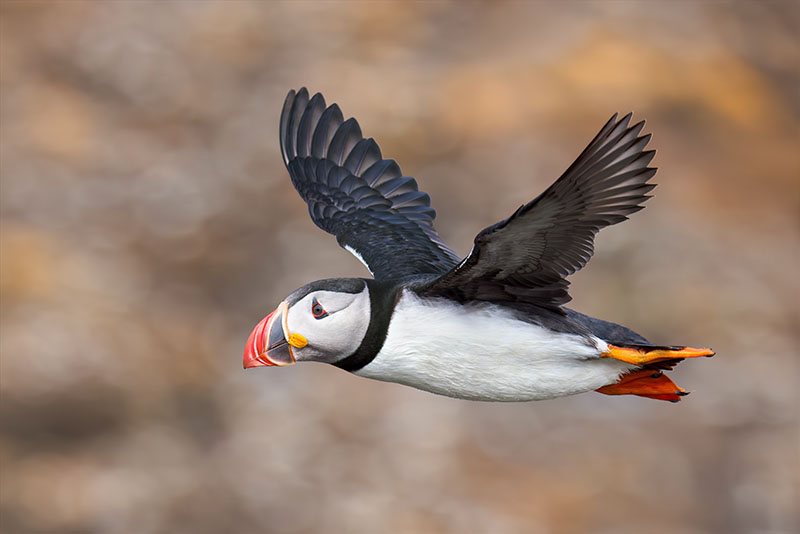
Same spot. I turned 90° to my left.
Atlantic Puffin, Scotland
Backgrounds that make people ask how you did it
You nailed the focus, yet the shot still looks cluttered and ordinary. Learn to turn that same scene into rich, creamy color that makes the bird explode off the screen, often just by changing where you stand or which way you face. Real before-and-after field examples show you exactly how.
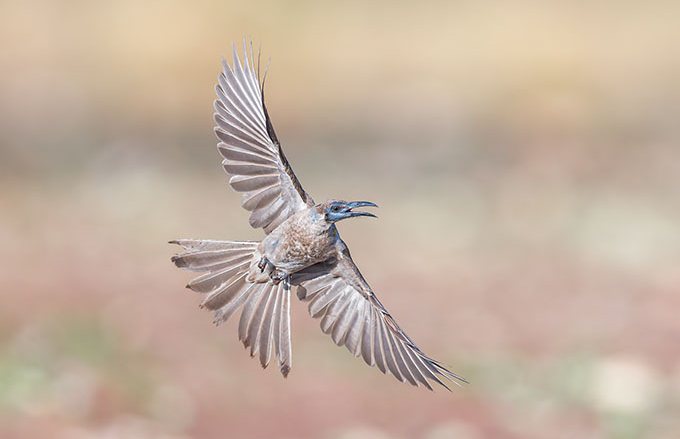
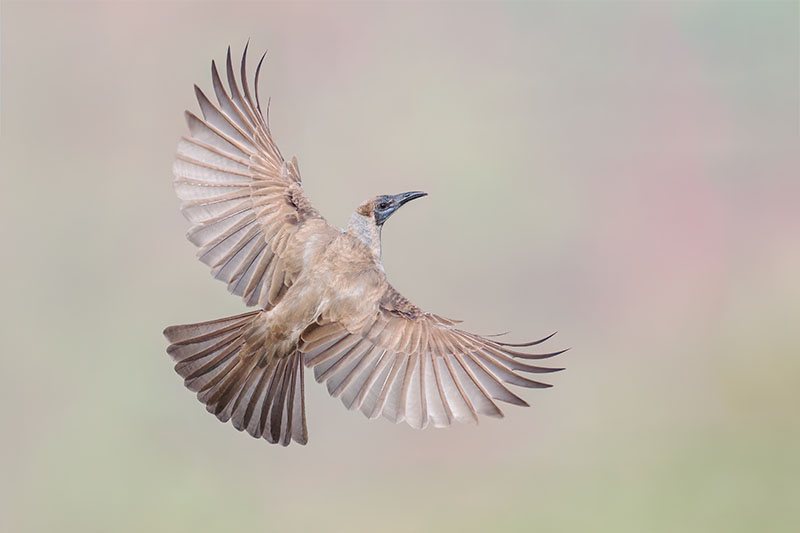
Weak curve → Classic C-shape
Little Friarbird, Australia
The frame that stops people mid-scroll
Your burst is full of sharp frames, and most of them are forgettable. Learn the wing positions and poses that create drama, power and grace, and keep the shot that makes people stop, stare and ask for a print.
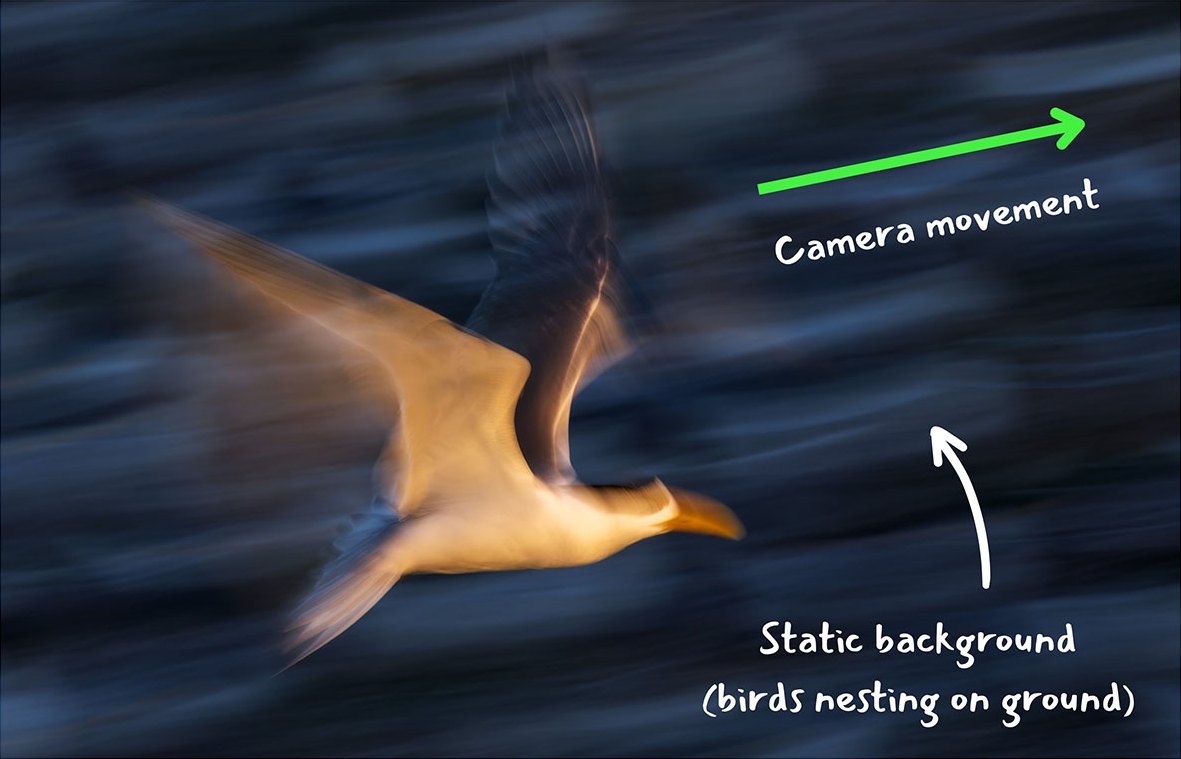
Great Crested Tern, Australia. Exactly as it appears in the book, with my annotations.
Flight shots that look like paintings
When the light fades or the sun turns harsh, most photographers pack up. You’ll turn motion into painterly panning and zoom blurs that look like nothing else in anyone’s feed, with the shutter speeds that get you there.
…and much, much more inside the book.
Look Inside
A few sample spreads, with the annotations and quick-reference tables you’ll use in the field.
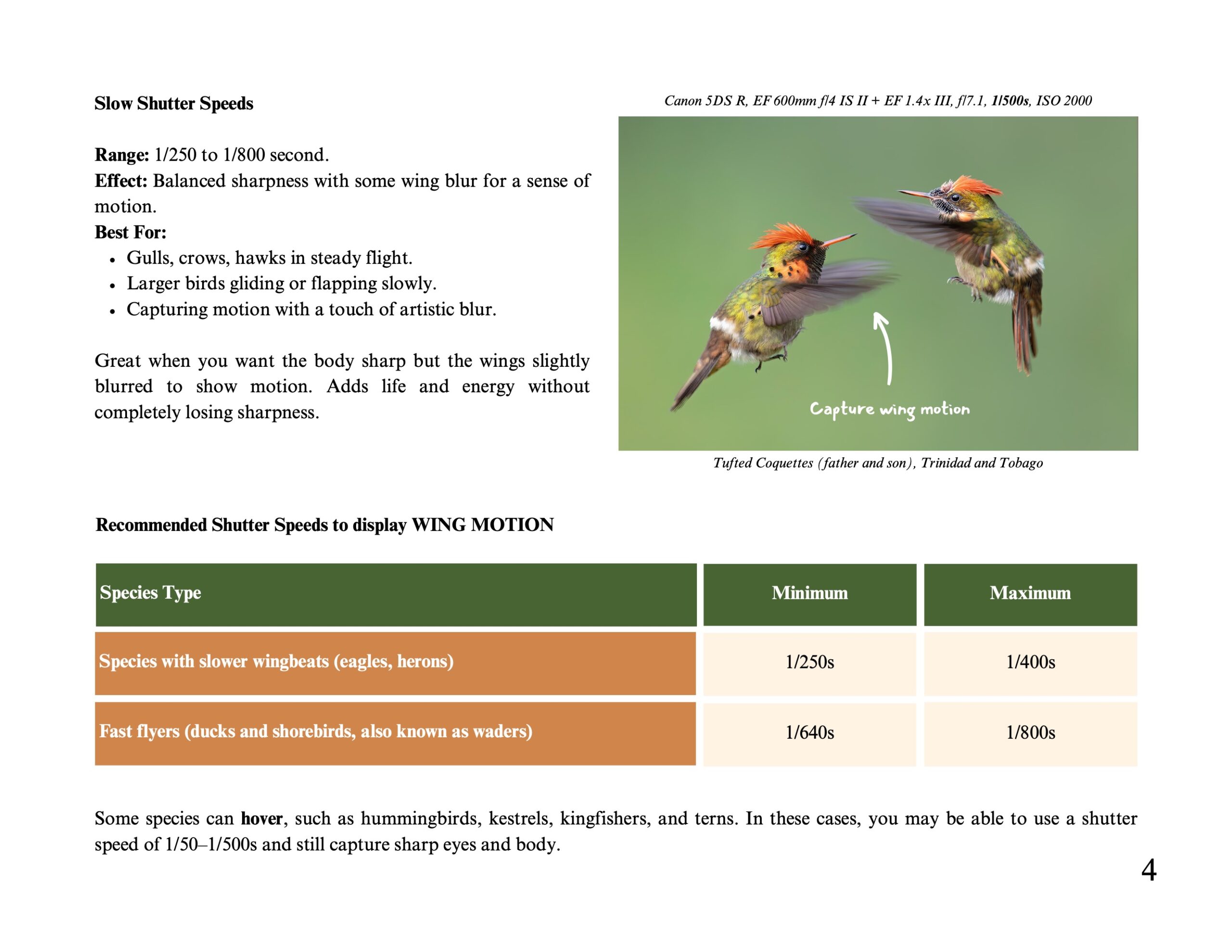
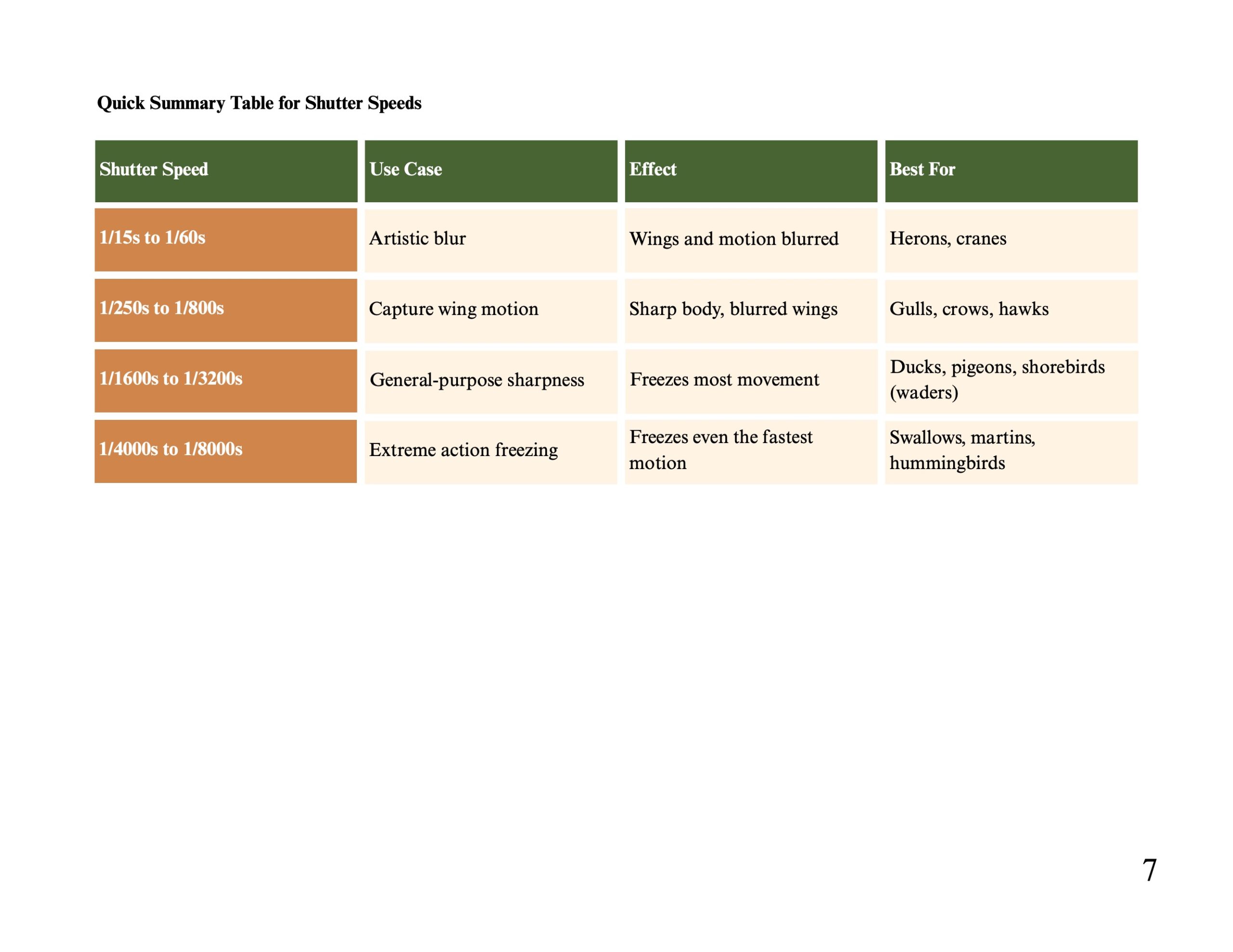
Settings That Work, and Why
Starting points and quick-reference tables for every situation, with the reasons behind them.
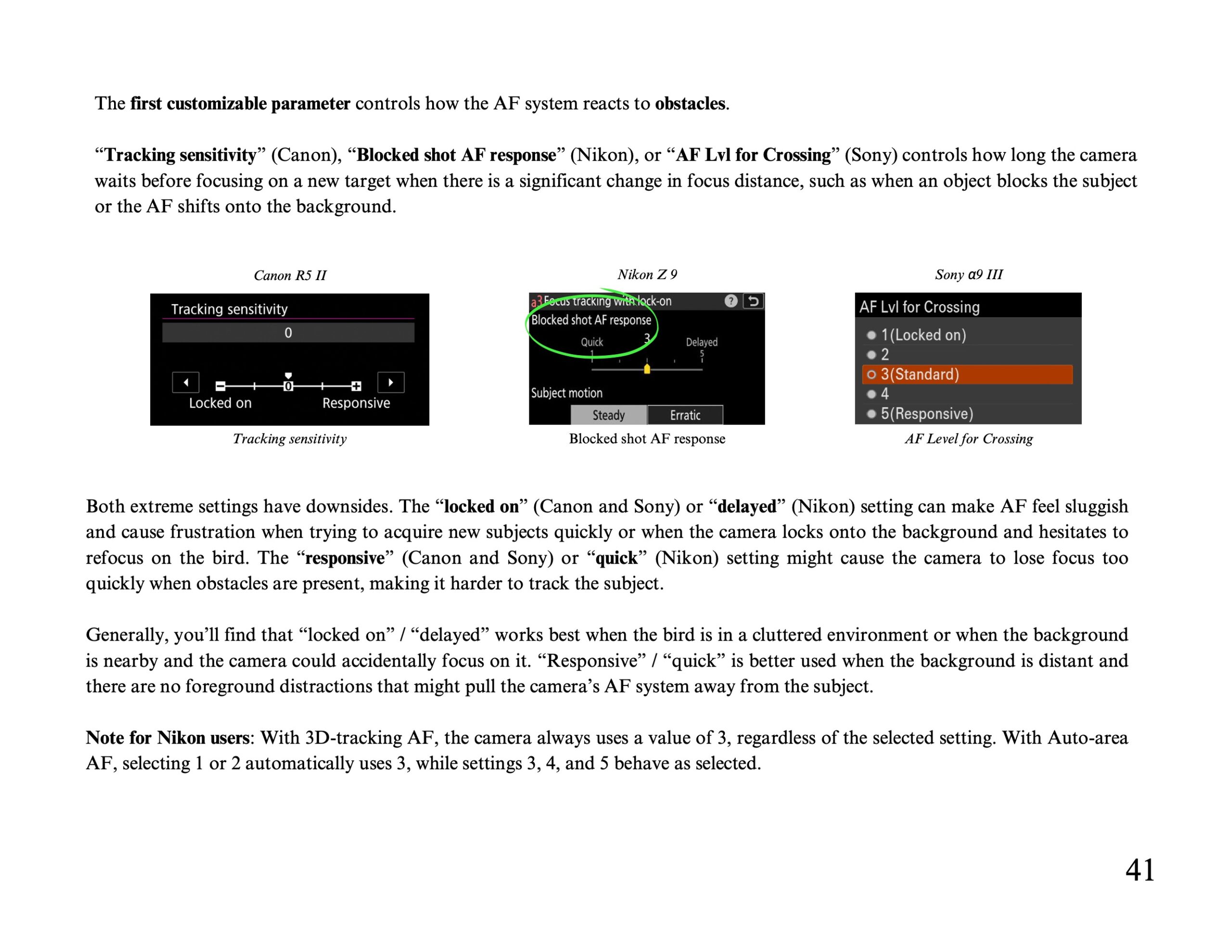
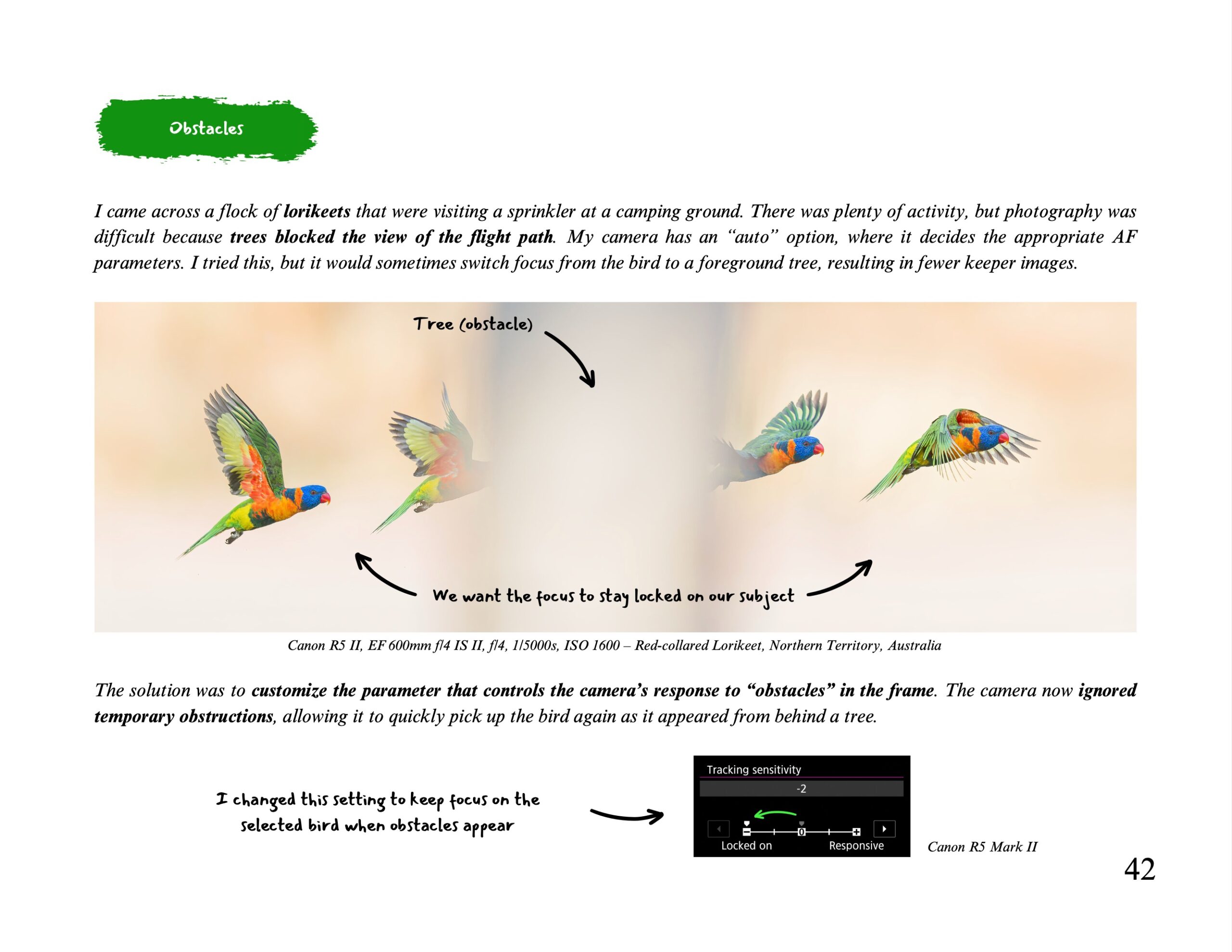
Keep the Focus on the Bird
How Canon, Sony and Nikon autofocus really works, and how to stop it locking onto the foreground or background instead of the bird.
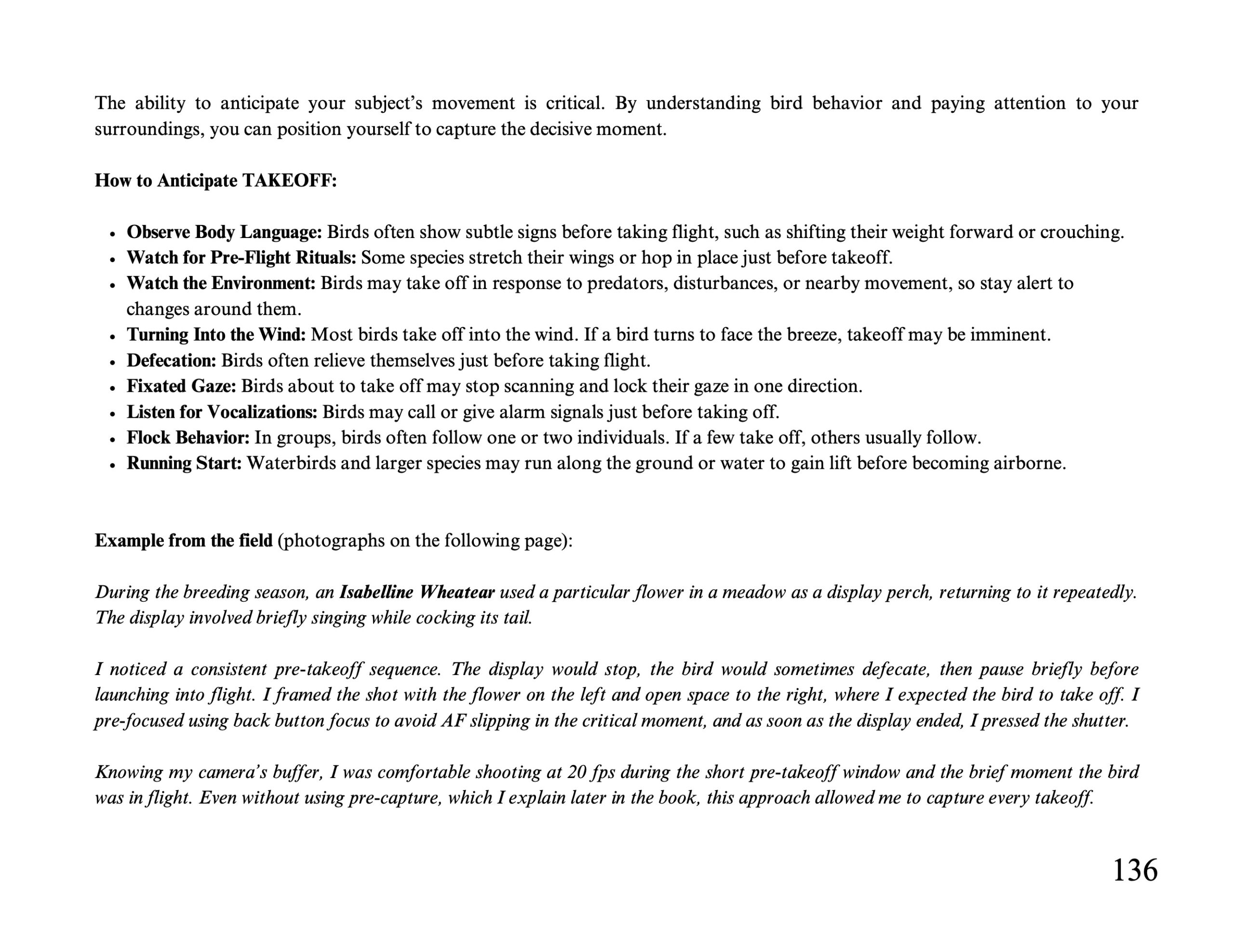
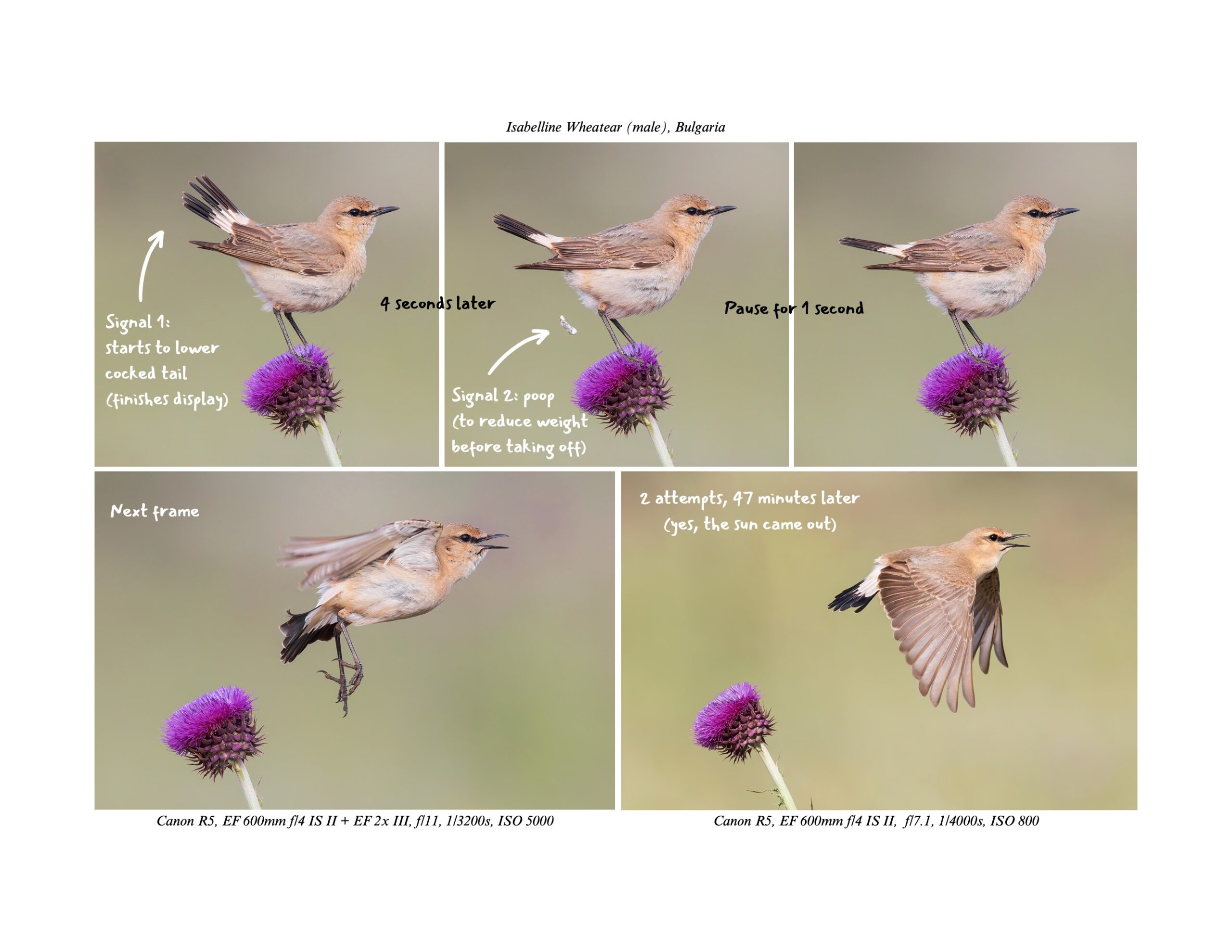
Stop Missing the Action
The behavioral clues that show when and where a bird is about to fly.
What Readers Are Saying
“I'd been photographing birds for years without really knowing what I was doing wrong. This book explained in a few days what I'd struggled to figure out for years.”
Bill T., TX, USA
“I was completely new to bird photography and didn't know where to start. The book made everything easy to understand, and I was getting flight shots I was proud of within weeks.”
Nancy W., CT, USA
“On my first outing after reading the autofocus section, I immediately saw a difference. More sharp shots and far fewer misses.”
Susan G., PA, USA
“I've watched hundreds of bird photography videos over the years. This book finally connected everything together. I've learned more from this one book than from years of jumping between videos.”
John M., NSW, Australia
“I shoot OM System and wondered how much of the book would apply to me. Apart from the camera-specific autofocus settings, the techniques apply regardless of what camera you use.”
Stephen B., UK
Is This for You?
Yes, if…
- You already take good photos, but birds in flight still beat you
- You dream of taking the flight shots you admire online
- You’re tired of piecing it together from scattered tips
- You’ll go out and practice, with the book on your phone to look things up in the field
- You’re new to bird photography. You’ll start from the basics and still get there
Not if…
- You want a quick list of settings and nothing more
- You won’t go out and practice
Try It for 14 Days, Risk-Free
Read it. Take it into the field. Put it to work.
If you don’t feel it has improved your bird-in-flight photography, get in touch within 14 days and I’ll refund your purchase.
Questions
Will it work with my camera?
Everything in the book works with any camera that lets you set the ISO, aperture and shutter speed. For Canon, Nikon and Sony, it also gives detailed autofocus guidance for those systems. With another brand, you’ll look up your camera’s own autofocus menu names, and the rest applies as it is.
Do I need an expensive camera or lens?
No. Most missed flight shots come from technique, not gear. The equipment chapter explains what actually matters, so you can get the most from what you have and spend wisely if you ever upgrade.
There are free videos everywhere. Why buy a book?
Free tips teach one setting or one trick at a time, and often contradict each other. This book puts all the pieces together, in the right order, as one system you can follow.
I’ve never used a camera, or never photographed a bird. Is this for me?
Yes. No experience is needed. The book takes you step by step from your very first camera settings to your first sharp flight shots, including how to find a bird quickly through your long lens and keep it in the frame. Every idea is shown with real photographs.
How soon will I see a difference?
That depends on how often you get out. The key changes can be put to work on your very next outing, and the 14-day guarantee lets you see for yourself.
I don’t have much spare time. Will I manage?
Yes. Read a section, go out and try it. The quick-reference tables mean you don’t have to remember everything at once.
I don’t live near any special birding spots. Does that matter?
No. Everything in the book works on common birds like gulls, ducks and pigeons at a local park, beach or lake. They’re ideal for practice.
Can I use it out in the field?
Yes. It’s a PDF, so you can open it on your phone and look something up on the spot. For reading it through, a computer or tablet is best.
How do I get the book? Is there a subscription?
It’s a one-time payment with no subscription. Straight after checkout the PDF downloads, and a download link is emailed to you.
What if it isn’t for me?
You’re covered by the 14-day money-back guarantee.